Pelvic Floor & Women’s Health
Learn more about the variety of conditions we treat!
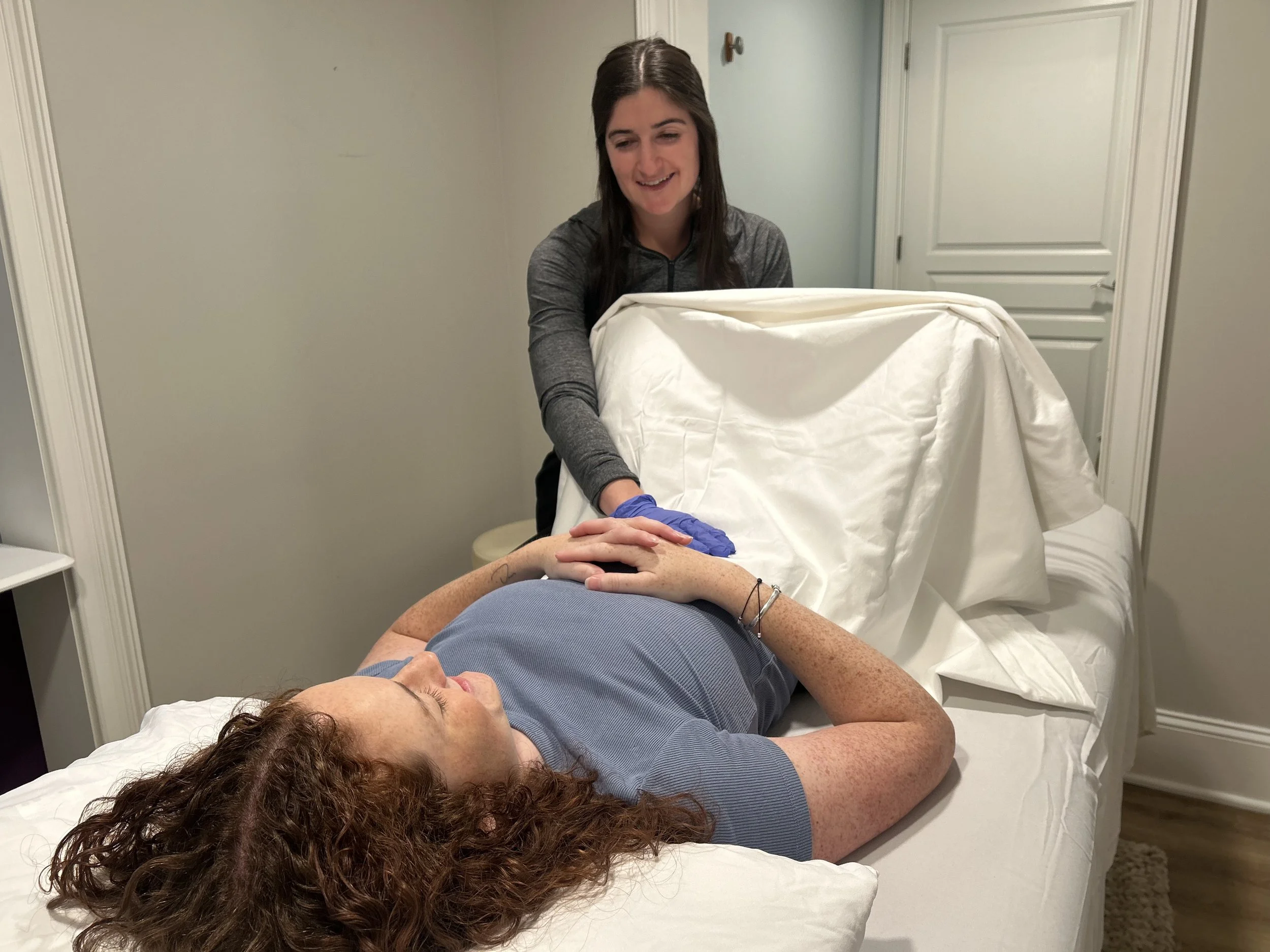
What is incontinence?
Incontinence is the unintentional leakage of urine, stool, or gas.
When can this happen?
Incontinence can happen when there is increased pressure or strain on the pelvic floor. Common examples include sneezing, coughing, running, jumping, or other physical activities.
Does this only happen after childbirth?
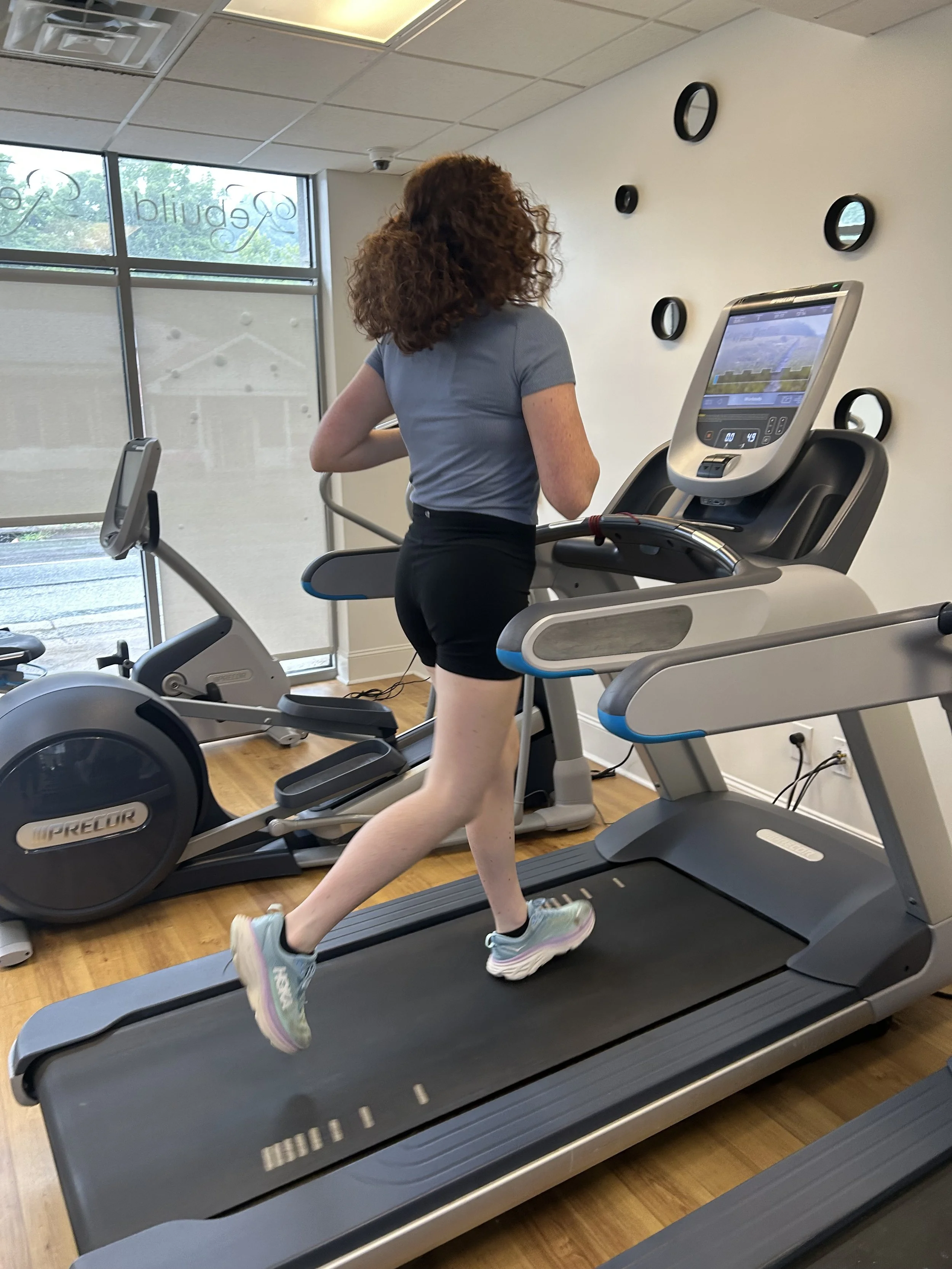
Definitely not. Pelvic floor issues can develop at any stage of life and affect people of all ages. In fact, urinary incontinence is common among athletes, particularly during high-impact activities. Click on “Athletics” to learn more!
The truth about prolapse
Pelvic organ prolapse is a change in the support of the tissues and muscles that help hold the pelvic organs in place.
Prolapse does not mean that your organs are falling out of your body. Some people have no symptoms at all, while others may notice heaviness, pressure, fullness, or a feeling of bulging in the pelvis or vagina.
Prolapse is common, and there are many ways to manage symptoms.




Athletics
Urinary incontinence does not exclusively affect women after pregnancy. While postpartum urinary incontinence is common, urinary leakage is also surprisingly prevalent among athletes, even women who have never given birth.
The last thing you want to think about during a competition is whether you’ll be able to maintain continence. Pelvic floor physical therapy can help you feel more confident and in control, so you can focus on your sport and perform at your best.

Pregnancy
Pregnancy is a time of constant change. Learn how to prepare your body and pelvic floor for birth while staying active throughout pregnancy.
Postpartum
You made it through pregnancy and birth, but now what? Even after you’ve been medically cleared for activity, it can be hard to know where to start.
Work with a physical therapist to help you safely and confidently navigate the postpartum transition. Whether you’re ready to return to your favorite workout routine, address pelvic floor changes, or care for a C-section scar, we can help make the transition back to activity feel a little less overwhelming.



Menopause
Menopause is a time of significant change, and it can bring symptoms that affect your everyday life in ways you may not expect. Beyond hot flashes, many women experience pelvic pain, pain with sex, urinary leakage, or changes in bowel function. While menopause is a normal part of life, you don’t have to simply live with symptoms that are affecting your quality of life. Pelvic floor physical therapy can help you better understand and manage these changes so you can feel more comfortable in your body.